In today’s fast-paced world, achieving a leaner body doesn’t have to mean breaking the bank or sacrificing taste. If you’re searching for affordable healthy foods that pack a punch for fat burning while keeping meals exciting, you’re in the right place. Fat-burning meals focus on nutrient-dense ingredients that boost metabolism, curb cravings, and support sustainable weight loss—all without fancy gadgets or expensive superfoods. This guide dives into budget-friendly staples, delicious flavorful recipes, and practical tips to make your kitchen a fat-torching powerhouse. Whether you’re a busy professional or a home cook on a tight budget, these ideas will help you eat smarter, not harder.
Understanding Fat-Burning Foods: Why They Work for Weight Loss
Fat-burning foods aren’t magic—they’re science-backed heroes that rev up your body’s calorie-burning engine. These ingredients are rich in fiber, protein, and healthy fats, which help regulate blood sugar, increase satiety, and enhance thermogenesis (the process of generating heat to burn calories).
The Science Behind Thermogenic and Metabolism-Boosting Foods
Research shows that certain foods, like those high in capsaicin (from spicy peppers) or catechins (from green tea), can temporarily spike your metabolic rate by up to 10%. Pairing them with affordable staples keeps costs low—think under $5 per serving. By choosing whole foods over processed snacks, you’ll naturally reduce calorie intake while feeling fuller longer, making it easier to create a calorie deficit for fat loss.
Benefits of Affordable Options Over Pricey Alternatives
High-end items like acai bowls or wild salmon might sound trendy, but everyday heroes like eggs, oats, and seasonal veggies deliver similar results at a fraction of the cost. Studies from the Journal of Nutrition highlight how budget-friendly plant-based proteins can match animal sources in muscle preservation during weight loss, ensuring you burn fat, not lean mass.
Top 8 Affordable Healthy Foods for Fat-Burning Meals
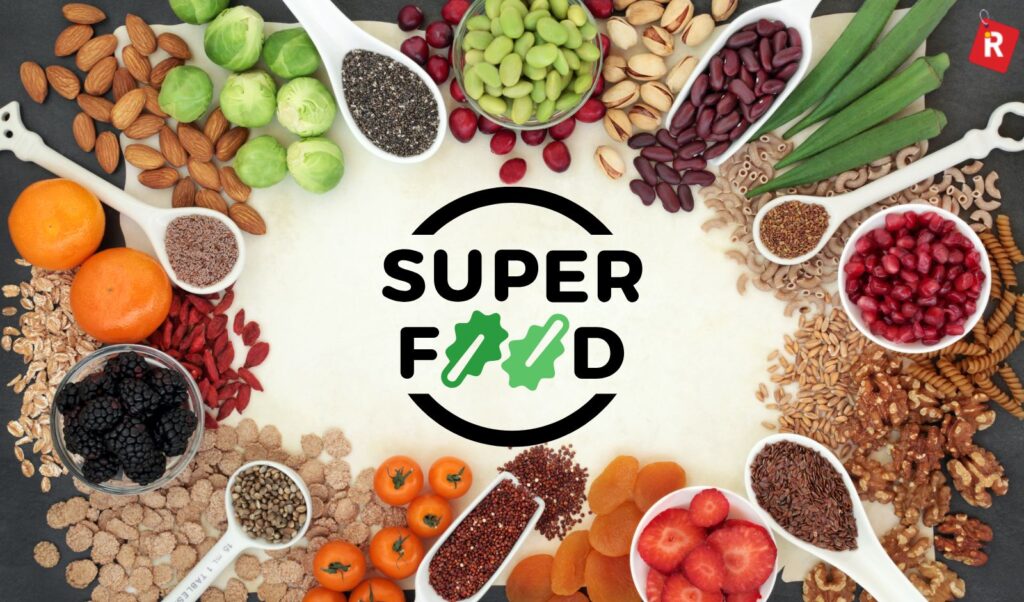
Stocking your pantry with these affordable healthy foods ensures every meal supports your goals. We’ve selected items that cost less than $2 per pound (based on average U.S. grocery prices in 2025) and are versatile for endless recipes. Aim for organic when possible, but conventional works just fine.
1. Oats: The Metabolism-Stabilizing Grain
Oats are a steal at about $0.50 per serving and loaded with beta-glucan fiber, which slows digestion and stabilizes blood sugar to prevent fat storage. They’re perfect for breakfast fat-burners.
2. Eggs: Protein Powerhouses on a Dime
At under $0.25 each, eggs provide complete protein and choline, which aids fat metabolism in the liver. One study in the International Journal of Obesity found that egg-based breakfasts reduced daily calorie intake by 400 calories.
3. Leafy Greens (Spinach and Kale): Low-Calorie Volume Boosters
These greens cost pennies per bunch and are brimming with vitamins that support thyroid function—a key player in metabolism. Their high water content fills you up without adding calories.
4. Berries (Frozen for Savings): Antioxidant Fat Fighters
Frozen mixed berries run about $3 per pound and deliver polyphenols that enhance fat oxidation during exercise. They’re sweeter than you think, making them ideal for naturally flavored dishes.
5. Canned Beans: Plant-Based Protein Without the Price Tag
Black beans or chickpeas at $1 per can offer 15g of protein per serving, promoting fullness and muscle repair. They’re shelf-stable, reducing food waste and costs.
6. Greek Yogurt: Probiotic Gut Health Ally
Plain, non-fat Greek yogurt is around $0.75 per cup and ferments gut bacteria that influence fat storage. A meta-analysis in Nutrients linked it to lower BMI in regular consumers.
7. Sweet Potatoes: Carb Swap for Steady Energy
Baked or boiled, these tubers cost $1 per pound and provide complex carbs with a low glycemic index, preventing insulin spikes that lead to fat gain.
8. Spices and Herbs (Cayenne, Turmeric, Garlic): Flavor Without Calories
A jar of cayenne pepper lasts months for under $3 and contains capsaicin to boost calorie burn by 50 calories per meal. Fresh garlic adds antimicrobial benefits for overall health.
Flavorful Recipes for Fat-Burning Meals: Easy, Budget-Friendly Ideas
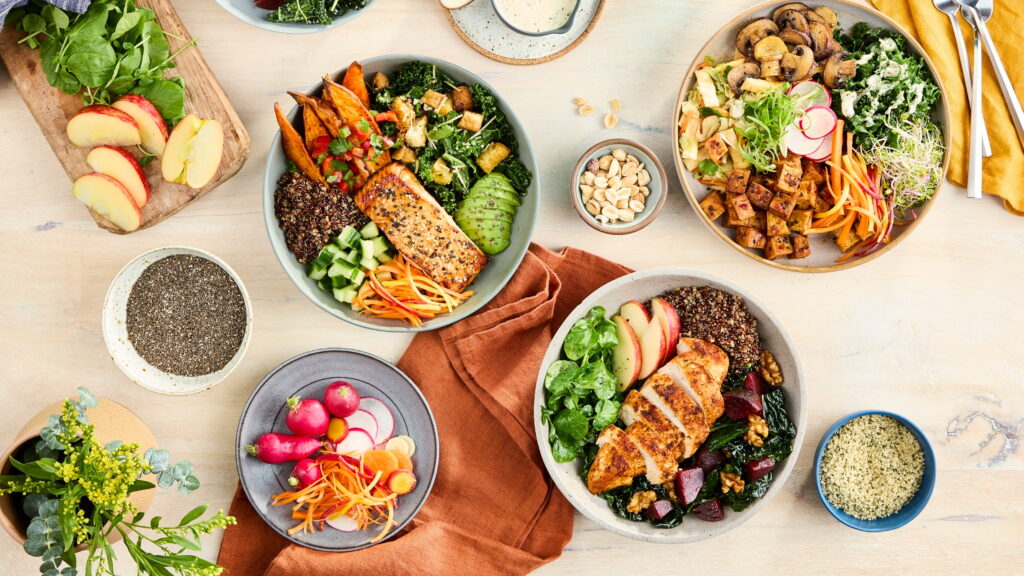
Turn these affordable healthy foods into mouthwatering dishes with our three simple recipes. Each serves 2-4, costs under $10 total, and takes less than 30 minutes. We’ve infused bold flavors to keep things exciting—no bland dieting here.
Recipe 1: Spicy Oat Berry Breakfast Bowl (Prep: 10 mins)
This fiber-packed starter kickstarts your metabolism with oats and berries, spiced up for thermogenic flair.
Ingredients:
- 1 cup rolled oats
- 2 cups water or low-fat milk
- 1 cup frozen mixed berries
- 1/2 tsp cayenne pepper (adjust for heat)
- 1 tbsp chia seeds (optional, $2 per bag)
- Dash of cinnamon
Instructions:
- In a saucepan, bring water to a boil and stir in oats. Reduce heat and simmer for 5 minutes.
- Mix in berries, cayenne, and cinnamon. Let thaw and blend flavors for 2 minutes.
- Top with chia seeds for extra omega-3s. Serve warm—pairs perfectly with black coffee for an added caffeine boost.
Nutrition per Serving: 300 calories, 8g protein, 10g fiber. Pro Tip: The cayenne’s heat increases satiety, helping you skip mid-morning snacks.
Recipe 2: Lemon-Garlic Chickpea Stir-Fry with Spinach (Prep: 20 mins)
A savory lunch option blending beans and greens for protein-fiber synergy, with zesty garlic for flavor depth.
Ingredients:
- 1 can chickpeas, drained
- 4 cups fresh spinach
- 2 cloves garlic, minced
- Juice of 1 lemon
- 1 tbsp olive oil
- 1/2 tsp turmeric
- Salt and pepper to taste
Instructions:
- Heat oil in a skillet over medium heat. Sauté garlic for 1 minute until fragrant.
- Add chickpeas and turmeric; stir for 5 minutes until golden.
- Toss in spinach and lemon juice. Cook until wilted, about 3 minutes. Season and serve over a bed of quinoa if desired.
Nutrition per Serving: 250 calories, 12g protein, 9g fiber. Why It Burns Fat: Turmeric’s curcumin enhances fat breakdown, per a study in the European Journal of Nutrition.
Recipe 3: Baked Sweet Potato Egg Boats with Yogurt Drizzle (Prep: 25 mins)
A hearty dinner that’s creamy yet light, using eggs and yogurt for sustained energy without the crash.
Ingredients:
- 2 medium sweet potatoes
- 4 eggs
- 1 cup plain Greek yogurt
- 1 tsp smoked paprika
- Fresh herbs (parsley or dill) for garnish
- Black pepper
Instructions:
- Preheat oven to 400°F. Halve sweet potatoes lengthwise and bake cut-side down for 20 minutes until tender.
- Scoop out a bit of flesh to create wells; crack an egg into each.
- Sprinkle with paprika and bake 8-10 more minutes until eggs set.
- Drizzle with yogurt mixed with pepper and herbs. Enjoy hot.
Nutrition per Serving: 350 calories, 18g protein, 6g fiber. Flavor Hack: The smoky paprika adds BBQ-like taste without extra calories.
Tips for Incorporating Fat-Burning Meals into Your Daily Routine
Making these flavorful recipes a habit is simple with these strategies:
- Meal Prep Sundays: Batch-cook oats or chop veggies for the week—saves time and money.
- Portion Control Hacks: Use smaller plates to naturally eat less while feeling satisfied.
- Hydration Boost: Pair meals with green tea; its EGCG compounds amplify fat burn by 17%, according to recent trials.
- Track Progress: Apps like MyFitnessPal (free version) help monitor without overwhelm.
- Mix It Up: Rotate recipes weekly to prevent boredom and ensure nutrient variety.
Consistency over perfection: Even three fat-burning meals a day can yield 1-2 pounds of weekly loss when combined with light activity like walking.
Frequently Asked Questions (FAQs)
What Are the Best Affordable Healthy Foods for Beginners Starting Fat-Burning Diets?
Start with oats, eggs, and canned beans—they’re versatile, cheap, and require no special skills. Focus on whole foods over supplements for real results.
Can These Flavorful Recipes Help with Sustainable Weight Loss?
Absolutely. Unlike crash diets, these emphasize balanced macros (protein, fiber, healthy fats) for long-term adherence, backed by guidelines from the American Heart Association.
How Many Fat-Burning Meals Should I Eat Per Day?
Aim for 3 main meals plus 1-2 snacks, totaling 1,500-2,000 calories based on your needs. Consult a doctor for personalized advice.
Are There Vegetarian Options in These Affordable Recipes?
Yes! Swap eggs for tofu in the egg boats or add lentils to the stir-fry. Plant-based swaps keep costs low and benefits high.
Do Spices Like Cayenne Really Boost Fat Burning?
Yes, capsaicin in cayenne can increase metabolism by 5-10% short-term, per a 2024 review in Metabolism. Start small to build tolerance.
Where Can I Find More Budget Recipes for Fat-Burning Meals?
Check free resources like USDA’s MyPlate or apps such as Budget Bytes for endless ideas tailored to seasonal sales.
Embracing affordable healthy foods and flavorful recipes transforms fat loss from a chore into a joy. Start with one recipe today, and watch your energy soar. For more tips, explore our related guides on budget meal prepping or natural metabolism boosters. What’s your go-to fat-burning ingredient? Share in the comments!